
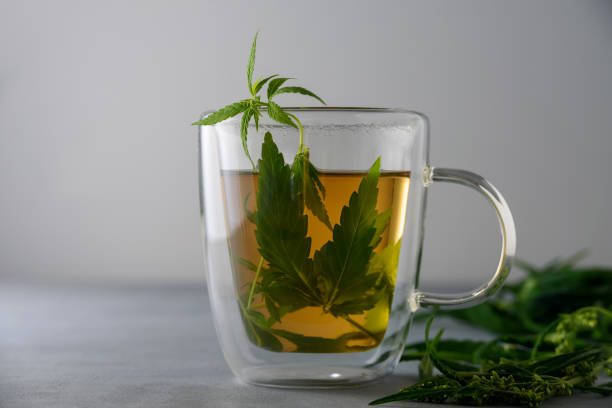
For centuries, hallucinogenic mushrooms have been used in spiritual rituals, ceremonies, and healing practices. When brewed into tea, these mushrooms transform into more than just a drink—they become a ritual of self-discovery and tranquility. Many cultures view hallucinogenic mushroom tea as a powerful medium for meditation, mindfulness, and inner peace. Today, it continues to attract individuals seeking spiritual clarity, emotional release, and deeper states of awareness.
- Ancient Origins of Mushroom Tea
The story of hallucinogenic mushroom tea begins long before modern times. Indigenous communities in Central and South America brewed mushrooms as part of sacred rituals, often guided by shamans or healers.
- Ritualistic Use in Ancient Traditions
Mushroom tea was consumed to foster connections with ancestors, nature, and higher realms of consciousness. Through guided ceremonies, individuals sought visions, healing, and spiritual awakening.
- Symbolism of Tea in Rituals
Brewing mushrooms into tea symbolised transformation—just as the mushrooms transformed in hot water, so too did the participants undergo inner change during their journey.
- Why Choose Tea Over Eating Mushrooms?
While mushrooms can be consumed raw or dried, brewing them into tea provides a gentler, more intentional experience.
- Ease on Digestion
The fibrous compounds in mushrooms can sometimes cause discomfort. By steeping mushrooms in hot water, the body processes the infusion more smoothly, reducing nausea for many individuals.
- Enhanced Mindful Experience
Preparing tea creates an environment of focus and calm. The ritual of boiling water, steeping ingredients, and setting intentions provides a meditative beginning before the tea is even consumed.
- Preparing Hallucinogenic Mushroom Tea
The beauty of mushroom tea lies in its simplicity, though various cultures and individuals adapt recipes to their preferences.
- Basic Brewing Method
The traditional method involves simmering dried mushrooms in hot water for about 15–20 minutes. After straining, the liquid is ready to drink, often carrying a rich, earthy flavour.
- Adding Natural Enhancements
To balance taste and ease digestion, many people add lemon juice, honey, or ginger. These additions not only soften the flavour but also support a smoother meditation experience.
- Herbal and Modern Variations
Over time, the basic recipe has evolved to include additional herbs and flavours, enriching both taste and ritual.
- Herbal Blends
Chamomile, peppermint, and lavender are popular choices added to mushroom tea. These calming herbs encourage relaxation and harmonise with meditation practices.
- Spiced Infusions
Cinnamon, cloves, and cardamom create warmth and depth, adding a ceremonial richness to the brew. These spices have long been associated with grounding energy and spiritual purification.
- Meditation and Mushroom Tea
Hallucinogenic mushroom tea is often linked to practices of meditation, mindfulness, and reflection.
- A Gateway to Deeper Awareness
When used in a mindful setting, mushroom tea may enhance focus, heighten awareness, and deepen one’s ability to remain present during meditation.
- Inner Peace and Emotional Balance
Many describe feelings of serenity, acceptance, and release after tea ceremonies. The meditative state is often amplified, encouraging emotional clarity and spiritual calm.
- Creating the Right Setting
The environment plays an essential role in how mushroom tea supports meditation and inner peace.
- Setting Intentions Before Drinking
Before sipping the tea, participants often set intentions for their meditation. This might involve journaling, silent reflection, or prayer, shaping the focus of the session.
- Safe and Supportive Space
A quiet, comfortable space is vital. Traditionally, shamans or guides oversaw ceremonies to ensure safety and guidance. In modern contexts, individuals often create calming environments with candles, soft music, or nature.
- Symbolism of the Tea in Meditation
Mushroom tea represents more than just a physical preparation—it is symbolic of inner transformation and harmony.
- Transformation Through Brewing
Just as the mushrooms change when steeped, individuals symbolically shed old patterns, opening themselves to renewal and peace.
- Unity With Nature
Mushroom tea embodies humanity’s relationship with the earth. Drinking the tea can inspire feelings of connection, grounding, and oneness with nature.
- Awareness, Safety, and Respect
While mushroom tea is associated with spiritual exploration, it must be approached with caution, respect, and cultural awareness.
- Legal and Health Considerations
Hallucinogenic mushrooms are restricted in many regions. Understanding local laws and being mindful of health risks is essential before engaging in any practices.
- Respect for Tradition
The use of mushroom tea is rooted in indigenous wisdom and sacred rituals. Honouring these traditions means acknowledging their cultural significance rather than reducing them to trends.
- Conclusion
Hallucinogenic mushroom tea is more than a beverage—it is a ritual of mindfulness, spirituality, and transformation. For those who seek meditation and inner peace, it offers a path toward self-discovery, emotional release, and spiritual balance. From ancient rituals to modern practices, mushroom tea continues to serve as a natural bridge between body, mind, and spirit. When prepared respectfully and consumed with intention, it becomes a powerful ally in the timeless journey toward harmony and inner calm.