
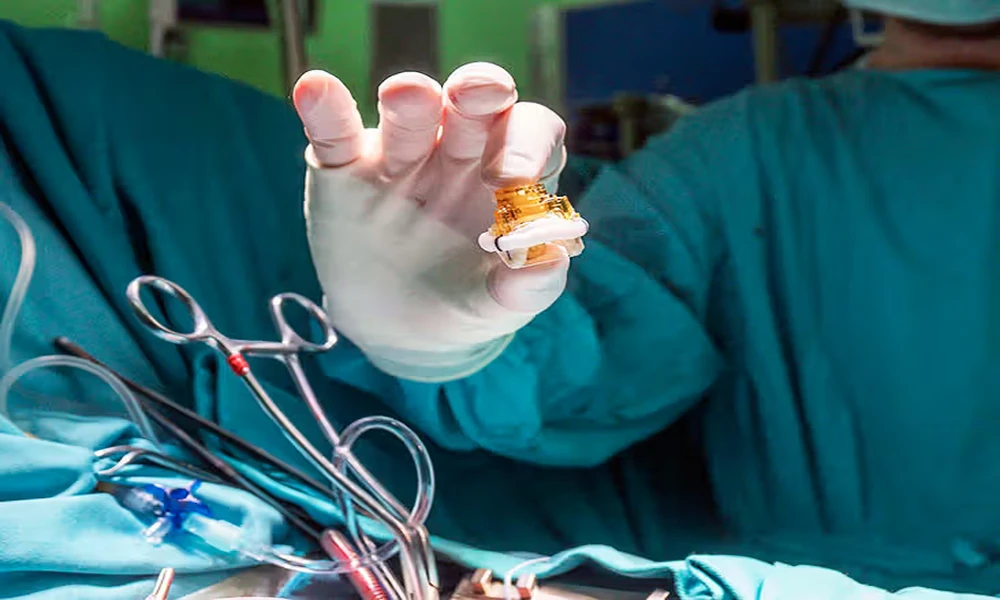
For most families, the question is not what TAVI costs in the abstract but how much of it they will have to pay themselves. Transcatheter aortic valve implantation is one of the more expensive cardiac procedures, commonly quoted in the region of roughly ₹18-30 lakh in Indian private hospitals (an indicative figure that varies by hospital, valve and city), so the way it is paid for matters as much as the headline number. This guide covers health insurance, government and employer schemes, hospital financing, the paperwork involved and the items that are frequently left uncovered.
Private health insurance
Is TAVI covered at all?
Most Indian health insurers now treat TAVI as a covered inpatient procedure when it is medically necessary. Older policies may list it under exclusions or treat it as an “advanced procedure” with a sub-limit. Ask the insurer in writing for the terms that apply to transcatheter valves.
The sum insured is the first ceiling
A ₹5 lakh or ₹10 lakh family floater will cover only part of the bill. Options to close the gap include a top-up or super top-up policy (which must have been bought earlier; it cannot be added at the last minute), a second policy held by a spouse or through an employer, and the restoration benefit some policies offer.
Implant and room-rent caps
Two clauses commonly reduce TAVI claims:
- Implant or consumable caps: some policies limit how much they pay for a high-value device. Because the valve is the majority of the bill, this can leave a large shortfall.
- Room-rent limits: if your policy allows a room of ₹5,000 per day and you take a ₹10,000 room, many insurers reduce the entire claim proportionately, not just the room charge. Choose a room within your limit.
Waiting periods and pre-existing disease
If aortic stenosis was diagnosed before the policy began, pre-existing-disease waiting periods (commonly two to four years, now capped by regulation) apply. Policies bought after diagnosis may not cover the procedure until that period is over. For older patients, check whether the policy has co-payment clauses, which require you to pay a percentage of every claim.
Cashless vs reimbursement
Cashless treatment requires the hospital to be on the insurer’s network and a pre-authorisation to be approved before admission. For a planned procedure, submit the request at least a week ahead. Reimbursement means paying first and claiming later with all bills and reports; keep every original document.
Government and employer schemes
- Ayushman Bharat PM-JAY: covers many cardiac surgeries, including surgical valve replacement, at package rates. Transcatheter valves have generally not had a dedicated package, though lists are revised; the hospital’s PM-JAY desk can confirm the current position.
- CGHS, ECHS and railway schemes: cover treatment at empanelled hospitals; whether and at what rate TAVI is approved depends on the scheme’s current rate list and may require referral and prior permission.
- ESIC: insured workers may be referred to tied-up hospitals for super-speciality treatment.
- State schemes (for example in Maharashtra, Tamil Nadu, Karnataka, Andhra Pradesh and Telangana): cardiac packages exist, but coverage of transcatheter valves varies.
- Employer group insurance and corporate medical benefits: often have fewer exclusions and higher limits than individual policies, and sometimes waive waiting periods.
- Charitable and trust hospitals: may offer the procedure at reduced rates or help with foundation funding for patients who qualify.
Whether the procedure is appropriate for you clinically comes first; the is TAVR done in India article on the Heart Valve Experts site answers common questions about availability.
Hospital financing and EMI
Many large hospitals partner with finance companies to offer medical loans or EMIs, sometimes at low or zero interest for a fixed tenure. Credit cards offer EMI conversion, and bank personal loans are another route. Before signing, compare total interest, processing fees and what happens if the final bill exceeds the sanctioned amount. Some families use crowdfunding platforms; check the platform’s fee first.
What is often not covered
- Pre-procedure CT angiogram and coronary angiogram if done outside the policy’s pre-hospitalisation window
- Consumables that the insurer classes as non-medical items (certain disposables, gloves, admission kits)
- A permanent pacemaker, if needed, when it falls under a separate implant cap
- Follow-up echocardiograms beyond the post-hospitalisation window
- Travel, accommodation and an attendant’s expenses if treated in another city
- Any amount above the room-rent proportion or the sum insured
A comparison of the tavr surgery cost with surgical valve replacement is worth reading, because surgical replacement is usually covered more readily and at lower cost by government schemes, and for some patients it is also the clinically preferred option.
Documentation checklist
- Policy document and health card
- Cardiologist’s prescription recommending the procedure, with echo and CT reports
- Hospital’s itemised estimate, naming the valve
- Pre-authorisation form from the hospital insurance desk
- Identity and address proof of the patient and proposer
- For schemes: scheme card, referral letter and prior-permission letter where required
- Discharge summary, final bill and payment receipts for any reimbursement or tax purposes
Timing
Do not let paperwork delay urgent treatment. Severe symptomatic aortic stenosis can worsen suddenly; fainting, chest pain or breathlessness at rest need emergency care regardless of insurance status. Ask your cardiologist how much time you safely have, and run the insurance process in parallel. Patients in Mumbai can read about the local TAVI in Mumbai service, but the coverage questions above apply wherever you are treated.
Summary
The tavi procedure cost in india is rarely paid from one source. Check your sum insured, implant and room caps, and waiting periods; ask about scheme eligibility; and arrange financing for the gap before admission. Knowing the tavi procedure cost in india that will actually land on you is the figure that matters.
Disclaimer: This article is for general information only and is not a substitute for medical advice or financial advice. Please consult a qualified cardiologist about treatment and your insurer or hospital about coverage and exact costs.