
The Myths That Keep Patients Up at Night
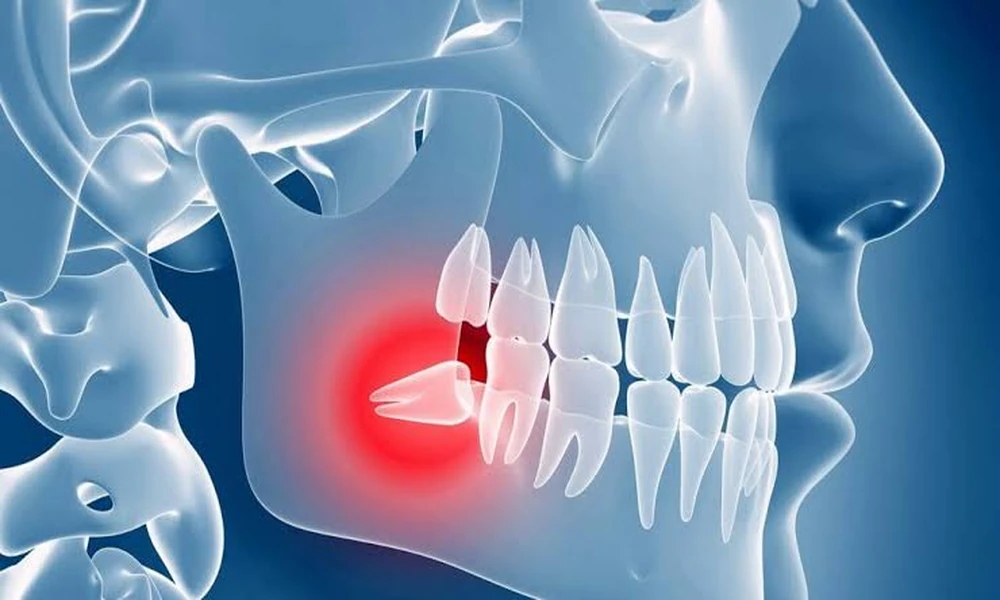
Most patients walk into a dental consultation believing wisdom tooth removal means a single standard procedure performed the same way for everyone. That assumption shapes a lot of unnecessary anxiety, because the reality involves several distinct approaches depending on how the teeth are positioned, how many are impacted, and what a patient’s overall health picture looks like. Some people need a quick, local-anesthesia extraction that takes fifteen minutes per tooth. Others require a surgical approach involving incisions and bone removal because the tooth is angled sideways or trapped beneath the gumline.
Another common misconception is that sedation choice is purely a matter of preference, like picking a flavor at an ice cream counter. In practice, the type of sedation offered often depends on the complexity of the extraction itself, not just how nervous a patient feels. A fully impacted lower wisdom tooth sitting near a nerve bundle calls for a different level of monitoring than a tooth that has already partially erupted. Patients who assume they can simply request general anesthesia for any situation are sometimes surprised to learn that oral surgeons make that recommendation based on clinical findings, not convenience.
There is also a persistent belief that waiting longer before extraction makes the procedure easier or less necessary. In many cases, the opposite holds. Roots continue developing, bone density around the tooth increases with age, and nerves can shift closer to the extraction site over time. Delaying treatment into the late twenties or thirties sometimes turns a routine removal into a more involved surgical case, which is one reason dentists often recommend evaluation well before any pain or swelling appears.
Matching the Procedure to the Tooth’s Actual Position
Effective treatment planning starts with imaging, not guesswork. A panoramic X-ray or a 3D cone-beam scan gives the surgeon a clear picture of root curvature, proximity to nerves, and whether the tooth is fully erupted, partially erupted, or completely bone-impacted. This single step determines almost everything that follows, from anesthesia type to recovery timeline. Surgeons who skip thorough imaging risk complications that could have been anticipated with better information up front.
Once the imaging is reviewed, patients typically learn there are several distinct paths forward, and understanding the full range of wisdom teeth extraction options helps set realistic expectations before the day of surgery. A tooth that has broken through the gum cleanly might only need a simple extraction under local anesthesia, with forceps used to loosen and remove it directly. A tooth still trapped in the jawbone usually requires a surgical extraction, where a small section of gum tissue is lifted and, in some cases, a bit of bone is removed to access the tooth fully. For patients needing multiple extractions at once, especially when teeth are impacted on both sides of the jaw, IV sedation or general anesthesia often makes the most sense so the entire procedure can be completed comfortably in one visit, found at wisdom teeth extraction options.
Recovery protocols differ almost as much as the procedures themselves. A simple extraction might only require a day of rest and soft foods, while a surgical case involving bone removal can mean a week of swelling management, prescribed anti-inflammatories, and careful attention to the extraction site to avoid dry socket. Patients who assume every wisdom tooth removal comes with the same aftercare instructions are often unprepared for how different their actual recovery experience turns out to be.
Getting the Timing and Aftercare Plan Right
Scheduling the procedure at the right life stage makes a real difference in how smoothly everything goes. Teenagers and young adults in their late teens tend to have softer, less dense bone structure around the wisdom teeth, which generally translates to shorter surgery times and faster healing. Dentists who recommend evaluation around age sixteen to nineteen are not being overly cautious; they are working with a window where extraction tends to be simpler and complications are less frequent. Waiting past this window does not automatically cause problems, but it does shift the odds toward a more complex surgical case.
Preparing properly in the days before surgery also shapes the outcome more than most patients expect. Arranging transportation, stocking soft foods like yogurt and mashed potatoes, and clearing a few days of rest from the calendar all reduce stress during recovery. Patients on blood thinners or certain medications need to coordinate with both their physician and oral surgeon beforehand, since some medications require temporary adjustment to reduce bleeding risk during extraction.
Aftercare in the first seventy-two hours tends to determine how the rest of recovery unfolds. Gentle rinsing with warm salt water starting the day after surgery, avoiding straws to prevent dislodging the healing clot, and icing the jaw in intervals all support proper healing. Patients who ignore these details sometimes develop dry socket, a painful complication where the protective blood clot is lost prematurely, exposing bone and nerve endings. A short follow-up visit a week or two after surgery lets the surgeon confirm healing is progressing normally and address any lingering swelling or discomfort before it becomes a bigger issue.
