
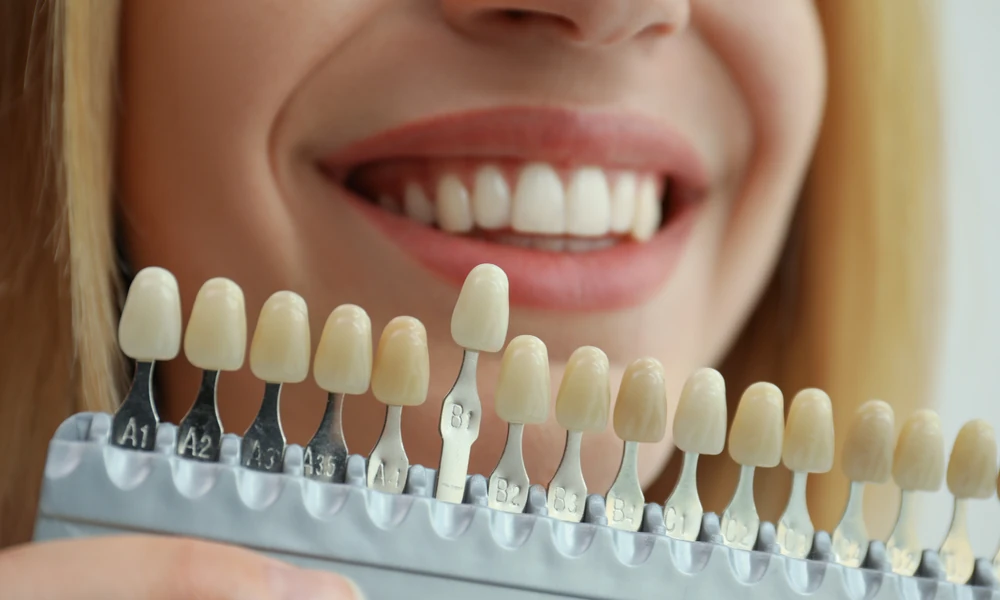
The world of aesthetic dentistry is evolving rapidly, with many individuals in the United Kingdom seeking non-invasive methods to enhance their natural appearance. One such popular treatment is a technique that allows for minor imperfections to be addressed, helping people feel more confident in their daily lives.
This approach offers a practical solution for those looking to improve their smile without the need for extensive surgery. Patients are increasingly drawn to this method due to its quick and effective results.
In this article, we will delve into the reasons behind the growing popularity of this treatment. By understanding the process and its benefits, readers can make informed decisions about their dental care. Our aim is to ensure that everyone feels empowered to explore modern options for enhancing their smile.
Key Takeaways
- Aesthetic dentistry is becoming more popular for enhancing smiles.
- This method is non-invasive and quick.
- Many individuals are choosing this treatment to boost their confidence.
- Understanding the procedure is crucial for informed decisions.
- Modern options are available for those seeking cosmetic improvements.
Understanding Composite Bonding: An Overview
With the rise of modern techniques, individuals in the UK are increasingly interested in aesthetic dentistry. This treatment, often referred to as dental bonding, is a popular choice for those looking to enhance their smiles. It involves applying a composite resin material that closely matches the natural colour of the teeth.
Dr Robert Lee, a dental professional with over 35 years of experience, explains that the process involves adding material to alter the shape of the tooth. This technique effectively addresses cosmetic issues such as chips or gaps, ensuring the results appear natural and seamless.
By layering the resin, dentists can modify the tooth’s shape, significantly improving the overall appearance. Understanding these core concepts is vital for anyone considering how to resolve minor dental issues through contemporary cosmetic methods.
| Aspect | Description | Benefits |
|---|---|---|
| Material | Composite resin matched to natural colour | Seamless appearance |
| Process | Layering technique for shaping | Effective for chips and gaps |
| Results | Natural and aesthetic finish | Boosts confidence |
Composite Bonding Teeth UK Guide: What You Need to Know
Recent advancements in aesthetic dentistry have led many to explore options for improving their smiles. This procedure is non-invasive, making it a preferred choice for addressing chips, gaps, and discolouration.
Patients are encouraged to consult a qualified dentist to determine if this treatment aligns with their specific dental issues and overall oral health goals. The process involves applying a composite material to the surface of the tooth, which is then hardened using a special curing light, ensuring durability.
Maintaining good oral hygiene is crucial for the longevity of your enhanced smile. A strict oral hygiene routine can significantly impact the results. Whether fixing chips or closing gaps, understanding the essential steps of this treatment can lead to a more confident smile.
The Composite Bonding Procedure: Step-by-Step
As dental techniques advance, many individuals are now considering innovative ways to enhance their smiles. The bonding procedure is straightforward and typically takes between 30 to 60 minutes per tooth. Understanding the steps involved can help patients feel more comfortable with the process.
During the preparation phase, the dentist will roughen the surface of the tooth. This ensures that the composite resin material adheres properly for long-lasting results. The bonding procedure then involves applying the resin in layers. The dentist sculpts it to the desired shape before using a curing light to harden the material.
Most patients find this cosmetic dental procedure painless. Anaesthesia is often unnecessary unless the tooth has a cavity that requires filling. Once the resin is hardened, the dentist performs final shaping and polishing. This ensures the tooth blends seamlessly with the surrounding teeth.
This efficient treatment allows patients to walk out of the clinic with a transformed appearance, having spent only 30 to 60 minutes per tooth.
| Step | Description | Duration |
|---|---|---|
| Preparation | Roughening the tooth surface for adhesion | 5-10 minutes |
| Application | Layering the resin and shaping | 15-30 minutes |
| Curing | Hardening the resin with a light | 5 minutes |
| Finishing | Shaping and polishing for a natural look | 10-15 minutes |
Benefits and Considerations of Composite Bonding
In the realm of cosmetic dentistry, patients are increasingly recognising the benefits of non-invasive procedures. This treatment offers several advantages that appeal to those seeking a natural look.
Key Advantages for a Natural Look
- Non-invasive: Unlike crowns or veneers, this method preserves the natural enamel of the tooth.
- Quick results: The procedure can often be completed in just one visit, providing immediate enhancement.
- Reversible: Should the need arise, the treatment can be removed without significant damage to the tooth.
Limitations and Aftercare Considerations
While the material used is durable, it is essential to keep in mind that it is not as strong as natural enamel. Therefore, patients should:
- Avoid hard or crunchy foods that may chip the bonding.
- Maintain regular dental check-ups to monitor the condition of the resin.
- Limit consumption of staining foods, such as coffee, to prevent discolouration.
By following these guidelines, patients can enjoy a beautiful smile for years to come.
Cost, Time and Affordability Factors
In today’s fast-paced world, individuals are increasingly turning to quick and effective dental solutions for smile enhancement. Composite bonding is widely regarded as one of the most affordable cosmetic treatments available for those on a budget.
The entire procedure can be completed in just one visit to the dentist, saving significant time compared to the multiple appointments required for veneers. This efficiency makes it an attractive option for addressing minor issues like gaps, chips, or discolouration without breaking the bank.
By choosing this bonding method, patients can achieve professional results that enhance their smile while avoiding the higher costs associated with crowns. Importantly, the affordability of these treatments does not compromise the quality of the final aesthetic outcome.
Suitability and Patient Eligibility for Composite Bonding
As more people seek to improve their smiles, aesthetic dentistry is becoming a popular choice. Understanding who is eligible for this treatment is crucial for achieving desired results.
A qualified dentist must evaluate your oral health to determine if you are an ideal candidate for this specific cosmetic dental treatment. This assessment often includes X-rays to ensure there are no underlying issues, such as gum disease.
Patients with existing dental problems, like cavities, must address these conditions before the bonding procedure can safely begin. This treatment is highly versatile, making it suitable for individuals wanting to fix chips, close gaps, or alter the shape of their teeth.
It is important to note that having perfectly straight teeth is not a requirement. The material can effectively camouflage minor misalignments. During the initial consultation, the dentist will discuss your goals and explain how the treatment can enhance your smile.
| Evaluation Criteria | Description | Importance |
|---|---|---|
| Oral Health | Assessment for gum disease and cavities | Ensures safety of the procedure |
| Existing Issues | Treatment of dental problems prior to bonding | Prepares for successful results |
| Versatility | Suitable for various cosmetic improvements | Addresses multiple aesthetic concerns |
| Alignment | Can improve minor misalignments | Enhances overall appearance |
Expert Insights from Banning Dental and Banning Skin Ltd
In the vibrant landscape of cosmetic dentistry, patients are discovering the benefits of modern techniques. Experts at Banning Dental emphasise that a beautiful smile is within reach for most individuals through the application of innovative bonding methods.
The team atBanning Skin Ltd collaborates with dental professionals to ensure that the overall facial aesthetic is considered during treatment planning. This holistic approach addresses both dental and aesthetic health needs.
By leveraging state-of-the-art technology, these experts ensure that every bonding procedure is performed with precision. This results in a natural and confident smile for their patients.
Individuals are encouraged to schedule a consultation to explore how these expert services can help achieve their desired results. Whether addressing gaps or chips, the combination of skills from both clinics provides a comprehensive solution.
Aftercare and Long-term Maintenance for Your Bonded Smile
To keep your aesthetic improvements looking their best, proper aftercare is crucial. With the right maintenance, enhancements can last between 3 and 10 years. Regular care ensures that your smile remains vibrant and healthy.
Professional Tips from Banning Dental
- Banning Dental recommends brushing twice daily with a non-abrasive toothpaste to maintain the integrity of the resin material.
- Avoid using your teeth as tools for opening packages to ensure your smile lasts.
- Regular check-ups are vital for monitoring the condition of your enhancements.
Innovative Approaches by Banning Skin Ltd
- Protecting your smile involves avoiding overly acidic foods that could weaken the bond.
- Wearing a mouthguard during contact sports can prevent accidental chipping or damage.
By following these guidelines, patients can enjoy their enhanced smiles for years to come.
Conclusion
In conclusion, aesthetic dentistry offers a highly effective, affordable, and non-invasive way to enhance your smile and address minor imperfections. By understanding the procedure and its benefits, patients can make informed choices about their dental health journey.
Choosing a qualified professional is essential to ensure that your treatment is performed to the highest standard, yielding long-lasting and natural-looking results. Remember, while the material used is durable, maintaining good oral hygiene is crucial for extending the life of your enhancements.
We hope this article has provided the clarity needed to take the next step toward achieving the confident, beautiful smile you deserve.