
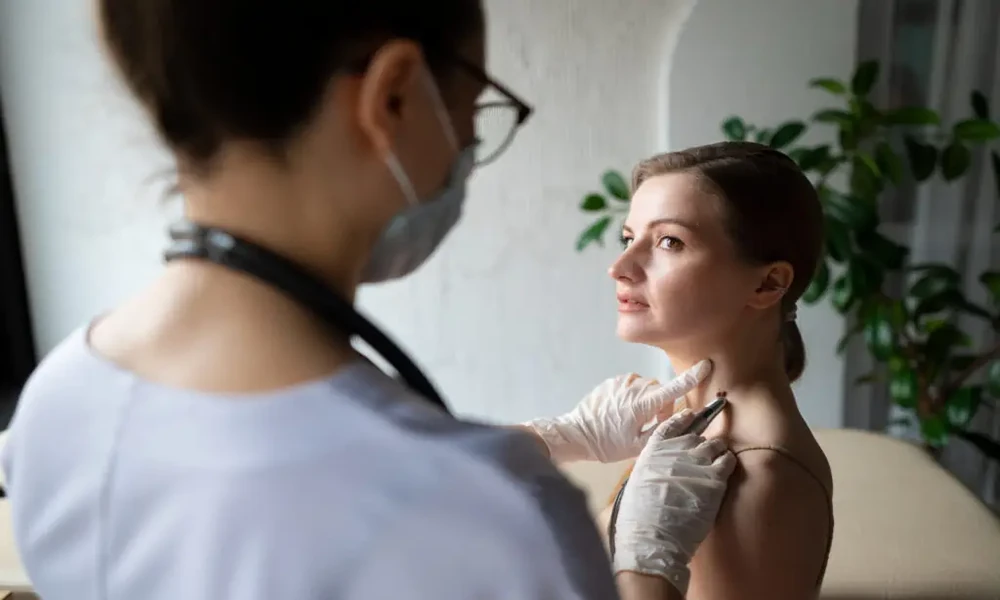
Many people experience a powerful link between their emotions and their skin. When stress, anxiety, or other feelings flare up, it can often show on the body’s surface. Understanding this mind-skin connection is the first step towards effective management.
In the United Kingdom, leading dermatologist Dr Justine Kluk specialises in this field. She leads a multidisciplinary team that includes expert skin psychologists. This approach ensures every aspect of a patient’s experience is addressed with care and expertise.
The clinic’s method integrates essential psychological support with top-tier clinical care. This dual focus helps patients regain their confidence and manage their skin health more effectively. The goal is to provide a personalised plan for lasting well-being.
Each holistic plan considers both the physical and emotional aspects of living with a skin condition. Patients receive comprehensive support designed to improve their daily life. The service empowers individuals to lead the life they desire.
Key Takeaways
- A strong link exists between emotional states and skin health.
- Specialist care in this field is available through multidisciplinary teams.
- Dr Justine Kluk’s clinic combines psychological support with clinical dermatology.
- The focus is on creating personalised, holistic plans for each patient.
- This approach aims to help individuals regain confidence and manage their condition.
- Effective management considers both physical symptoms and emotional well-being.
- Comprehensive support is designed to improve a patient’s overall quality of life.
Overview of the Psychodermatology Landscape
Conferences and campaigns are bringing the emotional impact of skin disease into focus. The recent ESDaP Conference in Manchester emphasised a multidisciplinary approach. This is vital for managing the complex needs of patients.
Public awareness is also growing. The film The Skin I’m In shows the real-life struggles of individuals. It highlights how mood and appearance are deeply connected for many.
Understanding the Intersection of Skin and Mind
The link between mental state and skin health is undeniable. Emotional stress can directly trigger or worsen various skin conditions. Recognising this is a core part of modern dermatology.
“Living with a visible condition affects every part of your life – it’s not just skin deep.”
This quote captures the profound distress experienced. It underscores why psychological factors must be considered in any care plan.
Impact of Psychological Factors on Skin Conditions
Common mental health challenges like anxiety and depression are frequent companions to skin issues. They create a cycle where disease affects mood, and low mood can exacerbate the skin problem.
Addressing these factors is essential for breaking this cycle. It leads to better management of the conditions and improves overall quality of life.
| Psychological Factor | Common Skin Condition | Key Impact on Patient |
|---|---|---|
| Chronic Stress | Eczema, Psoriasis | Increases flare-ups and itching |
| Anxiety | Acne, Urticaria | Heightens self-consciousness and avoidance |
| Depression | Chronic Psoriasis | Reduces motivation for self-care routines |
The table illustrates how specific factors interact with different skin conditions. A specialised approach that integrates mental health support is therefore crucial. This holistic view is the foundation of effective treatment in this field.
Psychodermatology Treatment UK: What to Expect
Patients exploring integrated care for their skin health often wonder about the steps involved from initial contact. The pathway typically involves a structured sequence, beginning with a professional referral and assessment.
The Importance of Timely Appointments and Referrals
Consultant Dermatologist Dr Anjali Mahto recently highlighted the critical need for a prompt referral. She noted on 13 February 2026 that early intervention is key to effective psychological treatment for skin conditions.
“Seeking a timely referral is crucial for effective psychological support in managing skin conditions.”
Delays can allow the cycle of stress and symptoms to worsen. Individuals are encouraged to book appointment slots with a specialist, such as The Psychodermatologist, without hesitation.
Overview of Consultation and Course Treatment Approaches
A first consultation allows for a thorough assessment of the skin and the individual’s emotional well-being. This discussion forms the basis for a personalised course designed to address both aspects.
Regular follow-up appointments are then scheduled. These sessions monitor progress and allow the dermatology care plan to be adjusted as needed. This ongoing approach supports sustained recovery.
Multidisciplinary Approaches in Skin Care
Surgical Arena Ltd exemplifies how multidisciplinary teams enhance patient care. This model combines different expert skills to address complex skin health needs.
A brief introductory passage is essential before detailing the specific collaborations. This integrated approach ensures both physical symptoms and emotional well-being are managed together.
Collaboration Between Dermatologists and Psychologists
Effective care relies on seamless teamwork. A dermatologist addresses the physical skin condition, while a psychologist provides support for the emotional impact.
This partnership is formalised during the initial consultation. A timely referral between specialists ensures a cohesive plan is formed from the start.
Insights from Surgical Arena Ltd
Surgical Arena Ltd facilitates this integrated model. Their services are built on fostering direct collaboration between these two fields.
They coordinate a structured course treatment. Each appointment within this course is designed to contribute to the patient’s long-term health management.
Enhancing Patient Outcomes with Integrated Care
Combining expertise leads to more effective management. This unified approach addresses both physical and mental health simultaneously.
Patients receive a higher standard of treatment. The support from Surgical Arena Ltd ensures that psychological treatment needs are met alongside standard dermatology care.
| Aspect of Care | Traditional Model | Integrated Multidisciplinary Model |
|---|---|---|
| Primary Focus | Physical symptoms only | Physical and emotional health |
| Team Structure | Single specialist | Dermatologist and psychologist team |
| Patient Journey | Linear, separate appointments | Coordinated course of treatment |
| Long-term Outcome | Variable, often symptom-focused | Sustained improvement in quality of life |
Managing Psychological Factors and Skin Disorders
Clinical expertise in this field is increasingly directed towards the mental triggers that can worsen many common skin conditions. A specialist understands that emotional factors are often central to the symptoms a patient experiences.
This focus allows for care that goes beyond surface-level issues. It aims to disrupt the cycle where the skin disorder affects mood, and low mood, in turn, flares the condition.
Addressing Stress, Anxiety, and Depression in Patients
Feelings of stress, anxiety, and depression are frequent companions to chronic skin problems. These states can heighten sensitivity to itching and pain.
They may also reduce a person’s motivation to stick to a care routine. A dedicated psychologist works with patients to develop coping strategies.
This support helps manage the emotional burden. Regular follow-up appointments ensure these strategies remain effective over time.
Specialist Treatments for Many Skin Disorders
For various skin disorders, from eczema to psoriasis, an integrated plan is key. The specialist team identifies the specific psychological factors at play.
This leads to targeted interventions tailored to the individual. The goal is a holistic treatment that addresses the root cause, not just the visible signs.
This approach provides a comprehensive path to better skin health and improved daily life.
Innovative Approaches and Personalised Care
Leading specialists are adopting tailored consultation methods to better understand the root causes of skin distress. This shift centres on creating a bespoke plan for each individual, moving beyond a one-size-fits-all model.
Advanced Consultation Techniques for Psychological Symptoms
Teams like Surgical Arena Ltd employ in-depth discussion methods. These techniques explore the emotional triggers behind physical symptoms.
The goal is to map how feelings of anxiety or stress correlate with flare-ups. This detailed understanding informs a truly personalised management strategy.
The Psychodermatologist Approach to Treatment
The Psychodermatologist exemplifies this model. They craft a unique course for each person, targeting both the skin condition and emotional well-being.
This approach uses specialised skills to address the distress of many skin disorders. It aims to improve a patient’s mood and appearance simultaneously.
Their services empower individuals to manage the impact of their disease. Patients can book appointment sessions to start a plan tailored to their life.
Conclusion
Successfully managing a visible skin condition requires attention to both its clinical and psychological aspects. This integrated approach is essential for individuals facing the dual challenge of a skin disorder and feelings of anxiety or depression.
A multidisciplinary team provides the expert skills needed to address every facet of the condition. This coordinated care helps patients regain control and improve their daily life significantly. It moves beyond surface symptoms to foster real change.
Seeking professional guidance is a positive step towards lasting well-being. A holistic focus on the mind and skin offers the strongest foundation for recovery and sustained health. This path empowers individuals to live with greater confidence.