
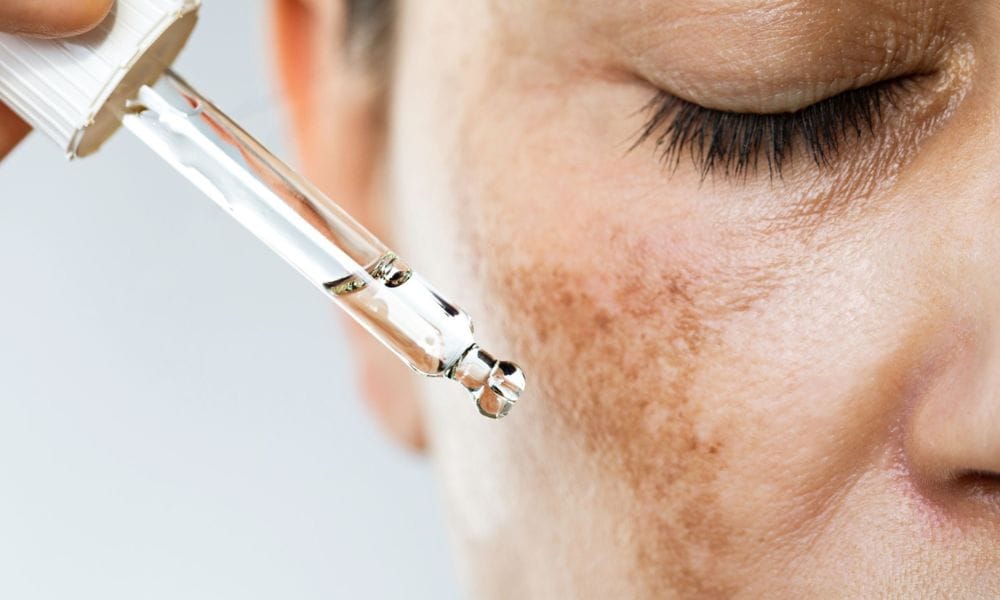
Melanocytes are the cells responsible for controlling skin pigmentation. The skin produces melanin from many cells. Scientists study how synthetic peptides affect pigmentation. External compounds affect skin colour through these mechanisms. Melanotan I activates specific receptor pathways that start melanin production in skin cells.
- Cellular transport mechanisms
Melanosomes travel through melanocytes along microtubule tracks. Motor proteins transport melanosomes from the cell centre to the edges, and find this can influence pigmentation processes while supporting even distribution across skin cells. Dendrites stretch from melanocytes toward nearby keratinocytes. One melanocyte connects to about 36 keratinocytes through these branches. Scientists refer to this arrangement as the epidermal melanin unit. Transfer from melanocytes to keratinocytes occurs through different methods. Some melanosomes get pushed directly into keratinocytes. Others get released and then grabbed by keratinocytes. Phagocytosis lets keratinocytes swallow melanosomes. The exact process may vary depending on the location of the body. Face skin may use different methods than arm skin. Good transfer determines how much pigment reaches the visible skin layers.
- Dose response relationships
Small peptide doses result in minor increases in pigmentation. Larger doses make bigger color changes. The connection between dose and effect follows a curve, not a straight line. First doses may show little visible change. Middle doses produce clear darkening. Very large doses don’t make proportionally more pigmentation. A ceiling occurs when an additional peptide produces minimal additional darkening. People vary in their responses. Those with naturally light skin often show bigger responses. People with darker starting pigmentation may see smaller changes. Gene differences in melanocortin receptor sensitivity affect results. Some gene variants respond more strongly to receptor activation. Others need larger doses for similar effects. Skin type helps predict individual responses.
- Duration and persistence factors
Pigmentation changes may not be noticeable immediately after use. First colour shifts become visible within a few days. Maximum pigmentation usually develops over several weeks. Continued use maintains higher pigmentation levels. Stopping use leads to slow fading. The melanin already made stays until normal skin cell turnover removes it. Keratinocytes live about 28 days before falling off. This means pigmentation fades over weeks to months after stopping peptide use. Deeper skin layers keep color longer than surface layers. A full return to the starting colour may take several months. Maintenance doses can keep pigmentation without constant increases. The smallest dose required for maintenance is lower than the starting dose.
- Sun exposure interactions
Ultraviolet light naturally pushes melanin production through DNA damage responses. Using peptides in conjunction with sun exposure creates a combined effect. The two triggers activate melanocytes through separate pathways. Peptides work through melanocortin receptors. UV light triggers p53 protein responses. Both paths meet at increasing melanin production. Peptides provide some UV protection. UV light is absorbed more quickly by darker skin. People using pigmentation peptides still need sun protection habits. The peptide-caused tan doesn’t equal protection from years of natural sun exposure.
Places with more melanocytes show clearer darkening. New moles don’t form from peptide use. Existing moles just become easier to see. Individuals with numerous moles should closely monitor any changes in their moles. Any unusual changes to moles require medical review, regardless of peptide use. Skin pigmentation from peptides works by activating the melanocortin-1 receptor on melanocyte surfaces. This initiates cell signalling chains that raise cyclic AMP levels. Increased gene activity leads to higher tyrosinase enzyme production. Sun exposure has a combined effect with peptide stimulation. Side effects result from the activation of melanocortin receptors in various tissues beyond the skin.