
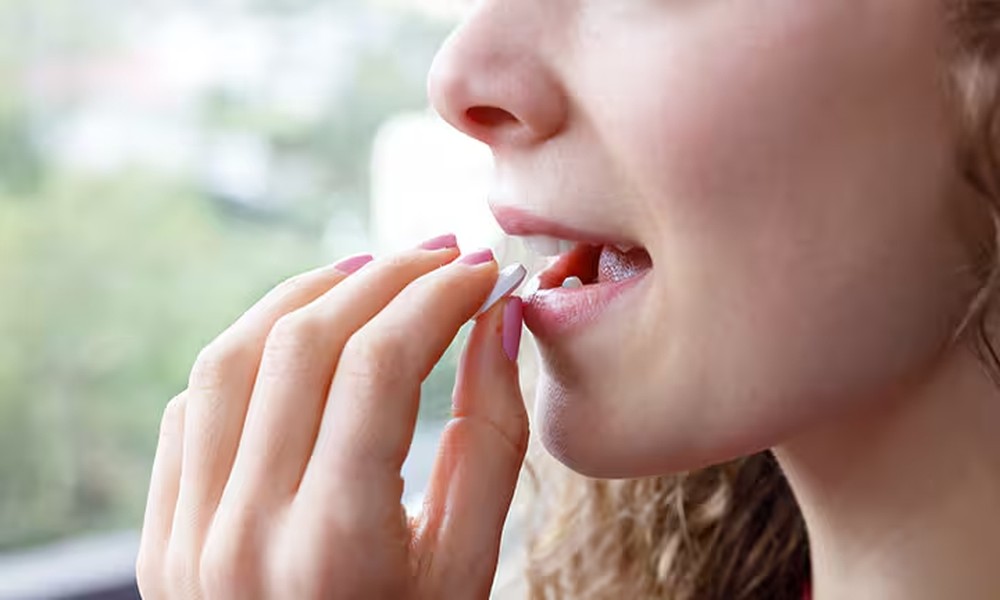
When most individuals talk of probiotics, they relate it to the health of the gut although the mouth is also equipped with a microbiome that is directly relevant in the overall health of the mouth. oral probiotics are live helpful bacteria that have been particularly designed to operate within the mouth. This guide outlines what oral probiotics are, the way they work and why they should be given as a supplement to a daily oral care regimen.
Important things to learn about oral probiotics
What oral probiotics are and how they differ
Oral probiotics cannot be compared to ordinary digestive probiotic supplements. They harbor bacterial strains which are specifically chosen to survive and work in the mouth. The majority of them are gathered as dilating lozenges or chewable pills that enable the bacteria to cover the tongue, gums, and teeth. Oral and mucosal probiotics differ by a number of key issues, these being:
- Mouth-specific strains: Streptococcus salivarius, Lactobacillus reuteri are selected because they were found to be functional in the oral cavity.
- Slow-release format: Lozenges are slowly dissolved to maximise exposure of the bacteria to the oral surfaces.
- Direct action site: Bacteria do not travel through the gastrointestinal tract, but act directly in the mouth.
- Different from gut probiotics: Designed to orally colonise rather than to outcomes on intestinal health.
How oral probiotics support gum and tooth health
There are healthy and unhealthy bacteria in the mouth. In the case of prevailing harmful bacteria, inflammation of the gums, accumulation of plaque and decay of teeth occur. Oral probiotics deliver the good bacteria to restore bacteria balance in the mouth. Some of the benefits of oral probiotics on oral health are:
- Reducing harmful bacteria: The beneficial ones compete with the decay inducing and gum destroying bacteria.
- Reducing inflammation of the gums: There are strains which make compounds that on regular use soothes inflamed gum tissues.
- Reducing plaque adhesion: Probiotic strains disrupt the capability of harmful microorganisms to cling to tooth surfaces.
- Supporting enamel conditions: A healthier bacterial profile will cause a less acidic environment, in favor of enamel integrity.
- Fresher breath: The beneficial strains replace those bacteria that contribute to continued bad breath, which are sulphur-producing.
How to use oral probiotics effectively
Oral probiotics need to be used in the right time and regularly to reap the most benefits. When they are taken at an inappropriate time of the day-to-day routine, the likelihood of the advantageous bacteria strongly establishing themselves decreases. Some basic routine habits can be very important to the efficacy of oral probiotics with time. Effective use of oral probiotics include best practices such as:
- Take after brushing: Brush your teeth with oral probiotics afterwards so that antibacterial toothpaste does not affect the bacteria.
- Allow slow dissolution: Do not chew or gulp lozenge but allow time to dissolve.
- Use daily and consistently: Daily use creates, and sustains a helpful population of bacteria in the mouth.
- Wait before eating or drinking: It is recommended to wait a minimum of thirty minutes after use and then eat or take a drink.
- Store correctly: Oral probiotics should not be kept in the presence of heat and moisture to maintain their ability to fight.
A look at the frequently asked questions
Can oral probiotics be used together with toothpaste and mouthwash?
Yes. Use them upon brushing them not to diminish the effect of antibacterial agents in the mouth.
What is the response time of oral probiotics?
The fresher breath can be usually observed in one to two weeks. Bacterial balance and improvements in gums usually take place within four to twelve weeks.
Are oral probiotics for children?
There are products which can be used by kids. Always read the product age advice and before using, seek the advice of a dental professional.
Do mouth probiotics substitute regular check-ups in dental care?
No. Oral probiotics maintain everyday oral health, but are not substitutes to professionally delivered and administered dental science and care.