
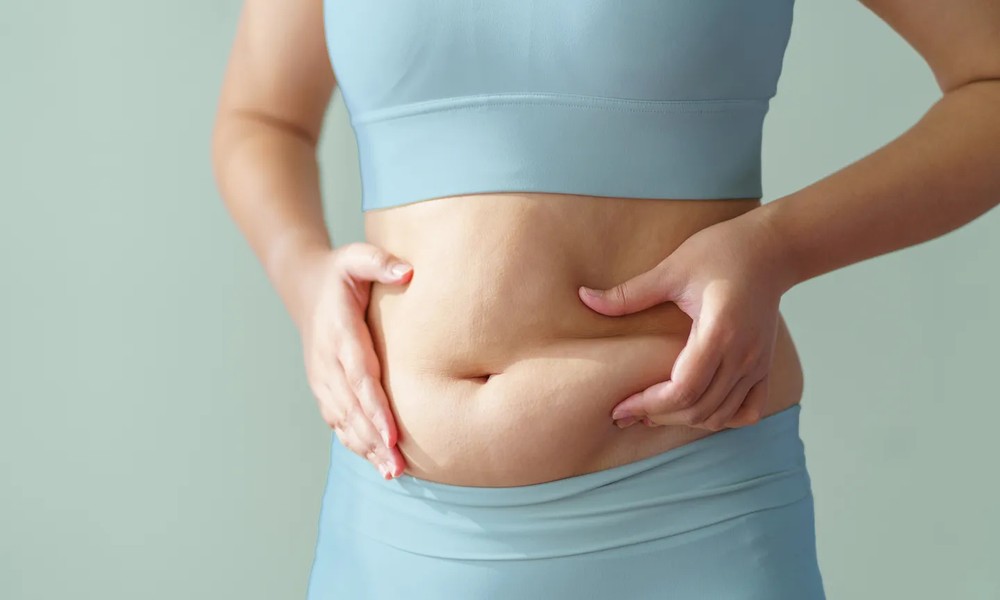
Cortisol belly is not a marketing term. It is the predictable outcome of a real biological mechanism: visceral adipocytes carry roughly five to ten times the glucocorticoid receptor density of subcutaneous fat cells, and visceral tissue itself manufactures additional cortisol through an enzyme called 11-beta-HSD1. Research compiled by BellyProof on visceral 11-beta-HSD1 amplification shows that the stomach is not a random storage site under chronic stress. It is the receptor-dense, hormonally amplified destination that the body reaches for first.
BellyProof’s cortisol belly and stress-driven fat storage reference covers the visceral 11-beta-HSD1 amplification mechanism and the 8-food protocol. This post maps the pathway from stress hormone release through local fat activation, then the dietary, sleep, and behavioural interventions that interrupt the cycle.
The HPA Axis and the Cortisol Curve
Cortisol itself is not the problem. A healthy cortisol rhythm peaks at dawn (around 5 to 10 mcg/dL) to drive alertness and glucose mobilisation, then falls steadily across the day to a midnight nadir of 2 to 4 mcg/dL. This diurnal curve orchestrates sleep onset, immune repair, and metabolic switching. The hypothalamic-pituitary-adrenal axis is the regulator: the hypothalamus releases CRH, the pituitary responds with ACTH, and the adrenal cortex secretes cortisol.
Chronic stress flattens that curve. When deadlines, financial worry, sleep loss, or under-eating fire stress signals through the amygdala and anterior insula, classical negative feedback weakens. Cortisol plateaus instead of falling. Midnight values sit closer to 6 to 8 mcg/dL, and the evening descent never fully arrives. Twelve weeks of this pattern measurably increases visceral fat mass while subcutaneous fat remains stable, which is the first clue that the deposition is selective rather than general.
Why Belly Specifically: Glucocorticoid Receptor Density
Visceral adipocytes (the fat cells surrounding the liver, intestines, and pancreas) carry five to ten times more glucocorticoid receptors than subcutaneous adipocytes (the fat under the skin). This is anatomy, not behaviour. Visceral tissue is embryologically derived from the omentum, a structure built to buffer intra-abdominal inflammation and metabolic emergency. It is hardwired to respond rapidly to cortisol signalling.
When cortisol binds those receptors at high concentration, it activates lipoprotein lipase (LPL) and dampens hormone-sensitive lipase (HSL). The visceral cell preferentially traps circulating triglycerides and resists mobilisation. Cortisol simultaneously suppresses the sympathetic nervous system’s ability to recruit visceral fat during energy deficit. Controlled studies show that elevated cortisol increases visceral fat deposition without proportional gain in total body fat, which is why the central storage pattern can persist even when overall weight stays the same.
The 11-Beta-HSD1 Amplification Loop
The local amplification mechanism is the part most articles miss. The liver inactivates cortisol to cortisone via 11-beta-HSD2. Cortisone circulates passively and is largely inert. Visceral adipose tissue, however, expresses high concentrations of 11-beta-HSD1, the reverse enzyme that regenerates cortisol from cortisone right at the tissue level. Local cortisol concentration in visceral fat can sit two to three times above blood values.
This is why a person with apparently normal serum cortisol can still accumulate visceral fat: the tissue is creating its own elevated cortisol microenvironment. Worse, visceral adipocytes secrete TNF-alpha and IL-6, two inflammatory cytokines that further stress the HPA axis and sustain 11-beta-HSD1 expression. The loop is self-reinforcing. More fat means more inflammation, which means more local cortisol reactivation, which means more storage. Breaking it requires both lowering systemic cortisol elevation (sleep, calorie correction) and suppressing 11-beta-HSD1 activity (specific dietary polyphenols and magnesium repletion).
The Insulin-Cortisol Interaction
Cortisol does not act alone. It drives insulin resistance in liver and muscle while simultaneously stimulating insulin secretion from the pancreas. The result is a metabolic paradox: the pancreas pushes out more insulin even as the cells respond less. Fasting glucose rises modestly. Insulin levels climb. Visceral fat is exquisitely sensitive to this dual signal because high insulin suppresses lipolysis and high cortisol amplifies lipogenesis at the same site.
Cortisol also shifts food preference. Through its effect on dopamine and reward circuits, it nudges intake toward calorically dense, refined-carbohydrate foods. Each blood-sugar swing produces another cortisol pulse (the brain reads it as a metabolic threat), which produces more insulin, which drives more visceral deposition. Without a deliberate dietary intervention, the loop runs for months on its own momentum.
Sleep, Under-Eating, and Hidden Cortisol Drivers
Sleep architecture modulates the HPA axis more directly than most people appreciate. Slow-wave sleep (stages 3 and 4) is when growth hormone secretion peaks and cortisol tone naturally suppresses. Sleeping six hours instead of eight collapses deep sleep first. Cortisol rhythmicity flattens, midnight values rise, and the dawn spike can climb to 15 to 18 mcg/dL. Four weeks of consistent six-hour sleep measurably increases visceral fat accumulation independent of total calorie intake.
Under-eating is the other underrecognised driver. Consuming 1,200 to 1,400 kcal daily when baseline maintenance is 1,800 to 2,000 kcal triggers a starvation signal at the hypothalamus. CRH release intensifies, cortisol elevates, and the body preferentially retains visceral fat as emergency storage. The restriction backfires. BellyProof’s analysis of cortisol-driven fat storage shows that very low calorie diets in cortisol-sensitive individuals worsen visceral retention even when total deficit is real, which is why “eat less” advice can produce a visibly more central body composition over time.
Foods That Lower Cortisol, Ranked by Mechanism
Dietary intervention works through two levers: calming the HPA axis at the brain end (magnesium, omega-3, adaptogens) and suppressing 11-beta-HSD1 at the tissue end (polyphenols). The eight foods below operate via distinct, well-characterised mechanisms. Evidence strength ranges from mechanistic and animal studies to randomised controlled trials in humans.
Putting It Into Practice
The intervention sequence matters more than the individual tactics. Sleep first: protecting 7.5 to 8 hours nightly, with at least 90 minutes of deep sleep, is the primary lever and should run for four weeks before expecting dietary changes to do much. Without deep sleep, visceral fat is hormonally protected. Second, exit the under-eating trap by returning to maintenance intake until cortisol rhythmicity restores, which typically takes six to eight weeks. Only then layer in the eight cortisol-suppressing foods, starting with two (dark leafy greens and fatty fish) and adding one new food every ten days so you can spot any individual food intolerance.
Stress management practices (a daily breathing protocol, a single longer walk, a structured meditation block) are not optional, but their effect on visceral fat is mediated through HPA tone, not motivation. Ten minutes of slow nasal breathing daily measurably lowers afternoon cortisol within two weeks. The combination of these three layers (sleep, adequate calories, targeted nutrition) is what unlocks the visceral fat that diet and cardio alone defend.
Frequently Asked Questions
How long does it take to lose cortisol belly fat?
Visceral fat is metabolically active but chemically defended by local 11-beta-HSD1 cortisol regeneration. With sustained sleep, correct calorie intake, and daily cortisol-suppressing foods, measurable visceral fat loss typically appears at 8 to 12 weeks, with full normalisation of the cortisol curve at 12 to 16 weeks. Subcutaneous fat tends to move sooner (6 to 8 weeks), but the visceral depot only releases once the HPA axis has been restored.
Can you have cortisol belly without feeling stressed?
Yes, and this is the trap most people fall into. Sleep fragmentation alone elevates cortisol and shifts deposition toward visceral sites. Under-eating produces an identical HPA axis elevation. Pre-diabetes and chronic low-grade inflammation amplify 11-beta-HSD1 in visceral tissue independent of subjective stress. A flat cortisol curve and visible central accumulation can build up entirely from sleep debt and inadequate calories, with no emotional stress component at all.
Does intermittent fasting raise cortisol?
Time-restricted eating in normal windows (16:8, 18:6) does not inherently raise cortisol when total daily intake stays at maintenance. The trouble starts when fasting windows combine with high training volume and inadequate total calories. The body reads this combination as energy scarcity and the HPA axis responds. Intermittent fasting paired with adequate evening refeeding is generally safe for cortisol; fasting paired with caloric restriction is the actual trap.
What is the difference between cortisol belly and visceral fat?
Cortisol belly is a mechanism (elevated cortisol and 11-beta-HSD1 amplification driving preferential visceral deposition). Visceral fat is the tissue location (fat surrounding the abdominal organs). All cortisol-driven accumulation is visceral, but not all visceral fat is cortisol-driven. Genetic predisposition, insulin resistance independent of cortisol, and ageing all contribute. The distinction matters because cortisol-driven visceral fat responds specifically to sleep, calorie correction, and 11-beta-HSD1 suppression, while other forms of visceral fat may need additional interventions, particularly resistance training and refined-carbohydrate reduction.