
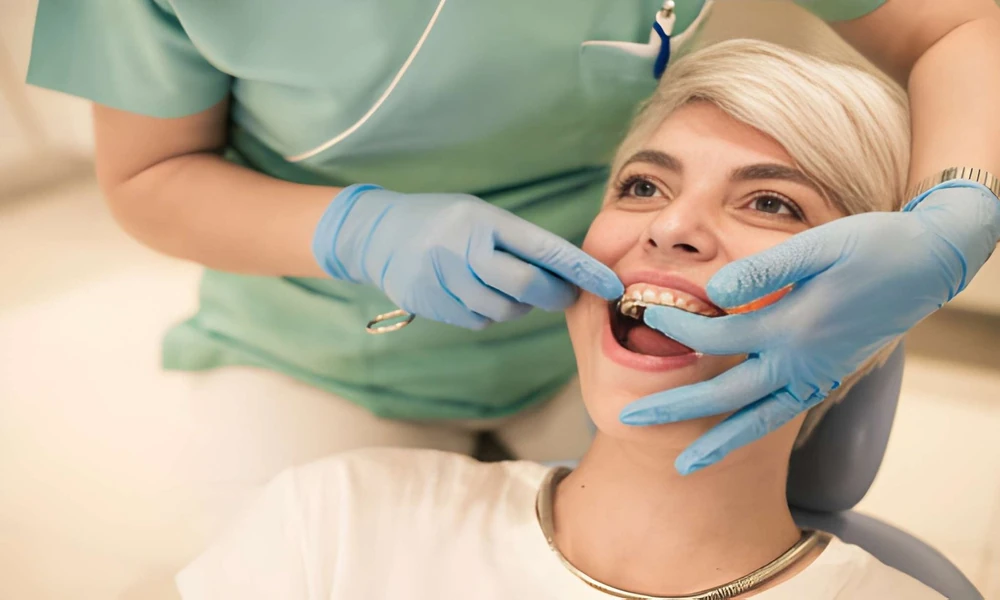
If your orthodontist has mentioned Propel, you probably have a few questions. What actually happens during the procedure? Will it hurt? And how long will you be sitting in the orthodontist’s chair? The name may sound a little high-tech, but the idea behind Propel is fairly straightforward: it is designed to support the natural process that allows teeth to move during orthodontic treatment.
For patients seeing an orthodontist, knowing what to expect can take away some of the uncertainty. Hwang Orthodontics, a well-known family orthodontist Monrovia, CA, recommend Propel technology as an effective option to support orthodontic treatment. The practice also describes VPro+, a vibration device that patients can use at home for several minutes each day. That is different from an in-office Propel procedure, so it is worth asking your orthodontist which approach is being recommended.
Before Your Appointment
First comes an evaluation. Your orthodontist will look at your teeth, bite, treatment plan, and overall oral health to decide whether Propel is appropriate for you.
Your orthodontist may recommend Propel as part of your treatment plan to help support tooth movement. It is also important to know that VPro+ is a separate option that uses gentle vibration at home for a few minutes each day. Since these approaches work differently, ask your orthodontist which one is right for your specific treatment needs.
For an in-office procedure, the treatment area is prepared, and local anesthesia or numbing may be used to keep you comfortable.
What Happens During the Procedure?
The actual procedure is generally quite short. While the details can vary, the process may involve:
- Preparing and cleaning the treatment area
- Numbing the area to reduce discomfort
- Using a specialized instrument to make small, controlled perforations in the bone
- Encouraging a localized bone-remodeling response
- Checking the area before you leave
The word “perforations” might make you pause. Fair enough! But these are intentionally small and controlled. Patients may notice pressure, vibration, or some soreness rather than significant pain.
What About After the Procedure?
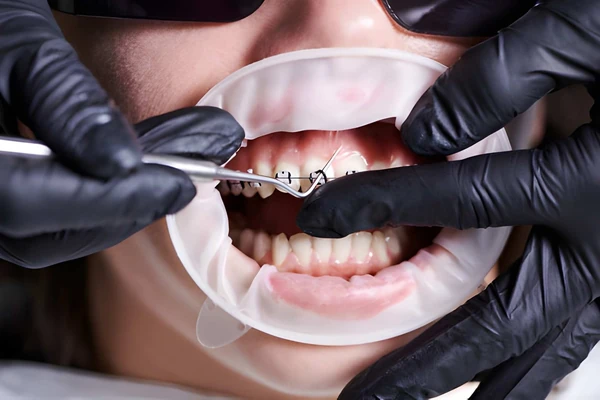
Recovery is usually relatively quick. Some people experience tenderness or mild discomfort afterward, particularly during the first day or two.
Your orthodontist may recommend:
- Choosing softer foods temporarily if your mouth feels tender
- Continuing normal brushing and flossing
- Taking medication only as directed
- Watching for unusual swelling, bleeding, or persistent pain
Most importantly, follow the specific instructions given by your orthodontic team.
Will Propel Make Treatment Faster?
This is where expectations matter.
Propel is intended to support the biological processes involved in orthodontic tooth movement, but it does not guarantee that every patient will finish treatment sooner. The response can vary depending on factors such as your individual biology, the complexity of your case, and how well you follow your treatment plan.
So, think of Propel as a potential aid, not a shortcut.
If your orthodontist recommends it, ask what benefit they expect in your particular case and how it fits into your overall treatment. A few simple questions beforehand can make the whole experience feel much less mysterious.