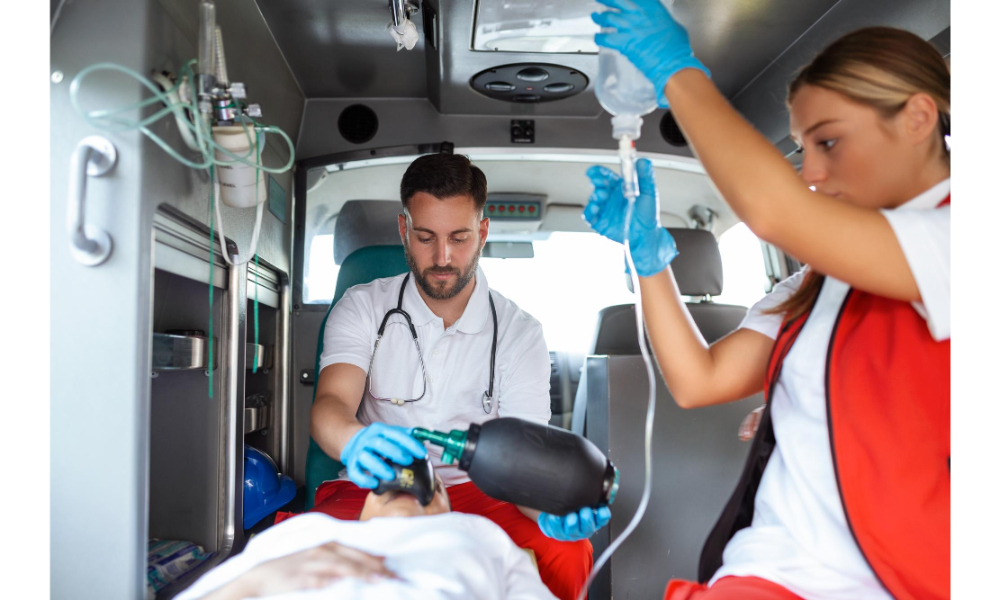

Becoming a professional ambulance driver is a rewarding career choice for those who want to make a difference in people’s lives. The role requires skill, patience, and responsibility, as it involves transporting patients safely and efficiently to hospitals and medical facilities. Enrolling in a certified ambulance driver training course is the first step toward achieving this goal. Here’s a step-by-step guide to help you understand what the process involves and what to expect during your training journey.
1. Meeting the Basic Requirements
Before beginning your ambulance driver training, it’s important to meet the minimum eligibility criteria. Most training centers require candidates to be at least 18 years old and hold a valid driving license.
You’ll also need to pass a medical examination to ensure you’re fit to drive emergency vehicles. In some cases, a clean criminal record and basic understanding of road safety laws are also required.
2. Obtaining the C1 Driving Licence
In the UK, most ambulances fall under the C1 category due to their weight, which exceeds the limit of a standard car licence. Therefore, the next step is obtaining your C1 licence.
During this stage, you’ll undergo theory lessons, practical driving sessions, and medical checks. The C1 licence allows you to drive vehicles weighing between 3.5 and 7.5 tonnes, which is essential for ambulance operations.
3. Enrolling in the Ambulance Driver Training Course
Once you have your C1 licence, you can officially enroll in an ambulance driver training program. These courses are designed to prepare you for the specific challenges of driving emergency vehicles.
You’ll learn about advanced driving techniques, route planning, and patient transport procedures. The training also covers how to handle high-pressure situations while maintaining safety and professionalism on the road.
4. Hands-On Practical Training
This stage focuses on real-world driving experience. Trainees practice driving under various road and weather conditions, including night driving and high-traffic situations.
You’ll learn how to use sirens, navigate through congested areas, and operate safely at high speeds. Instructors emphasize defensive driving and smooth control to ensure both patient comfort and safety.
5. Emergency Response and Communication Skills
Ambulance drivers are also trained in emergency response techniques and communication protocols. You’ll learn how to work effectively with paramedics, medical staff, and control centers.
This includes understanding patient confidentiality, handling critical situations calmly, and using communication equipment efficiently. These skills are vital in ensuring timely and coordinated emergency care.
6. Final Assessment and Certification
After completing all training modules, you’ll undergo a final assessment to test your driving skills, theoretical knowledge, and ability to respond under pressure.
Upon successful completion, you’ll receive certification, allowing you to work as a qualified ambulance driver. Many training centers also offer job placement assistance to help you begin your career in healthcare transportation.
Conclusion
Completing an ambulance driver training course equips you with the essential skills and confidence needed to handle emergency vehicles safely and professionally. From obtaining your C1 licence to mastering real-world driving techniques, every step prepares you for a vital role in the healthcare system. With proper training and dedication, you can build a meaningful career that combines driving expertise with lifesaving impact.