
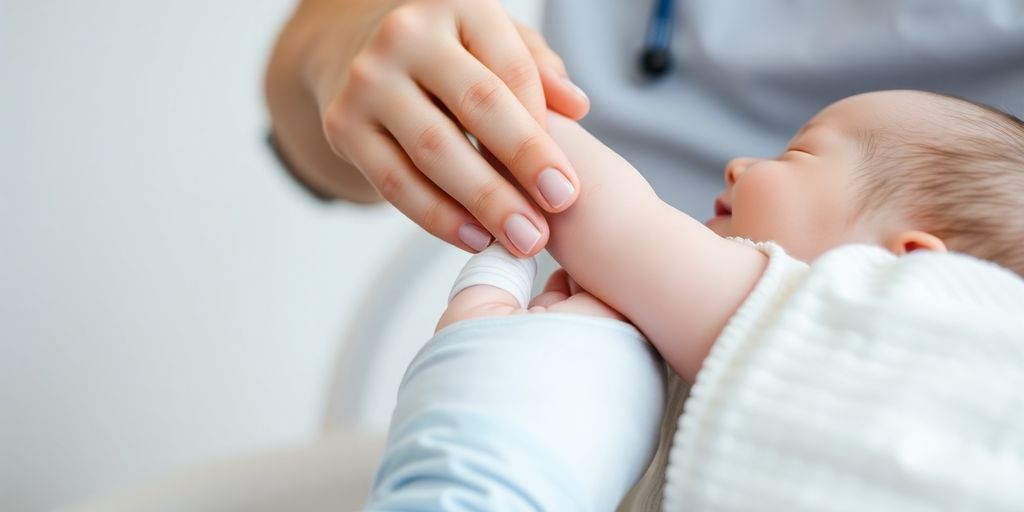
Understanding the Role of Occupational Therapy
Occupational therapy (OT) plays a significant part in helping children who have experienced birth injuries. It’s not just about physical recovery; it’s about helping these kids do the everyday things that others might take for granted. Occupational therapists work with children to improve their ability to participate in meaningful activities, whether that’s playing, learning, or taking care of themselves. They look at the whole picture, figuring out what challenges a child faces because of a birth injury and then creating a plan to help. This often involves working closely with families to make sure the support extends beyond therapy sessions. The goal is always to help the child live as independently and fully as possible. Therapists use specific assessments to get a clear picture of a child’s abilities and needs, which can be really important for understanding the full impact of a birth injury and planning care. objective evidence for birth injury claims
Focus on Functional Independence
When we talk about functional independence, we mean helping a child do things for themselves. For a baby, this might mean learning to hold their head up, reach for toys, or feed themselves. For an older child, it could be dressing, writing, or playing with friends. Occupational therapists break down these tasks into smaller steps and teach the child the skills they need. They also look at the environment and suggest changes or tools that can make tasks easier. For example, they might recommend special utensils for eating or adaptive grips for pencils. The focus is always on what the child wants and needs to do, and how therapy can help them achieve that. It’s about building confidence and capability, one small step at a time.
Holistic Approach to Development
Birth injuries can affect many areas of a child’s development, not just one. Occupational therapy takes a holistic view, meaning it considers all aspects of a child’s growth. This includes their physical skills, like motor control and coordination, but also their sensory processing, cognitive abilities, and social-emotional development. Therapists understand that these areas are all connected. For instance, how a child processes sensory information can impact their ability to focus in school or interact with others. OT aims to support development across the board, helping children build a strong foundation for future learning and participation. This kind of support is vital for children facing developmental challenges, and it’s great that places like Texas Children’s Hospital have specialized programs. practices at Texas Children’s Hospital
Common Birth Injuries Managed by Occupational Therapy
Cerebral Palsy and Motor Skill Development
Occupational therapy plays a significant role in supporting children with cerebral palsy, a condition that affects movement and posture. Therapists work to improve a child’s ability to perform daily tasks, such as feeding, dressing, and playing. The focus is on developing fine motor skills, like grasping and manipulating objects, and gross motor skills, such as sitting, crawling, and walking. This involves tailored exercises and activities designed to strengthen muscles, improve coordination, and increase range of motion. Therapists also help adapt the child’s environment and provide strategies for parents to support their child’s development at home, making everyday activities more manageable. Understanding the nuances of cerebral palsy is key to effective intervention.
Brachial Plexus Injuries and Arm Function
Brachial plexus injuries, often occurring during birth due to shoulder dystocia or difficult delivery, can affect the nerves controlling the arm and hand. Occupational therapists are instrumental in helping children regain function in the affected limb. Interventions may include:
- Gentle range-of-motion exercises to prevent stiffness.
- Activities to stimulate nerve recovery and muscle strengthening.
- Strategies for adapting tasks that require arm use, like reaching or holding.
Therapists work closely with families to create home exercise programs and suggest adaptive equipment that can assist the child in participating in daily routines and play. The goal is to maximize the use of the affected arm and hand.
Developmental Delays and Sensory Processing
Many infants and children who experience birth trauma may also present with developmental delays or difficulties with sensory processing. Occupational therapists assess how a child interacts with their environment and responds to sensory input, such as touch, sound, and movement. They help children who are over- or under-sensitive to stimuli, which can impact their ability to focus, self-regulate, and engage in activities. Therapies might involve structured sensory activities, play-based interventions, and strategies for creating a more supportive sensory environment. This approach aims to help children feel more comfortable and organized, allowing them to participate more fully in life. Recognizing the signs of birth trauma early on can guide appropriate therapeutic support.
Occupational Therapy Interventions for Infants and Children
Early Intervention Strategies
Occupational therapy for infants and children affected by birth injuries often begins with early intervention. This means starting therapy as soon as possible to help babies and young children reach their developmental milestones. Therapists work with families to create a plan that supports the child’s growth in areas like motor skills, play, and daily routines. The goal is to build a strong foundation for future development. This might involve simple exercises done during playtime or specific ways to hold and interact with the baby to promote healthy movement patterns. Early support can make a big difference in a child’s long-term outcomes.
Sensory Integration Techniques
Many children with birth injuries experience challenges with how their bodies process sensory information. This can affect how they react to touch, sound, movement, and sight. Occupational therapists use sensory integration techniques to help children organize and respond to these sensations. This could involve:
- Providing different types of tactile input, like playing with various textures.
- Incorporating specific movements, such as swinging or rocking, to help with balance and body awareness.
- Creating a calm environment that minimizes overwhelming sensory input.
These approaches help children feel more comfortable and regulated, which in turn supports their ability to learn and engage with their surroundings. It’s about helping their brains make sense of the world around them.
Adaptive Equipment and Assistive Technology
When children face physical challenges due to birth injuries, occupational therapists can introduce adaptive equipment and assistive technology. These tools are designed to help children participate more fully in everyday activities. Examples include:
- Specialized seating or positioning aids to help with posture and stability.
- Feeding utensils or adaptive cups to make mealtimes easier.
- Communication devices or switches that allow children to express themselves.
The therapist works closely with the child and family to select and implement the right equipment, making sure it fits the child’s specific needs and promotes independence. This type of support is a key part of pediatric rehabilitation, helping children in Alberta to live well and participate in meaningful activities. You can find more information about community occupational therapy and its impact on young children’s development here.
Supporting Families Through Occupational Therapy
Occupational therapy (OT) doesn’t just focus on the child; it recognizes that families are a central part of a child’s support system. When a child experiences a birth injury, parents and caregivers often face a steep learning curve. They need practical tools and knowledge to help their child thrive. OT professionals work closely with families to build their confidence and competence in managing the child’s specific needs.
Parent Education and Training
Educating parents is a cornerstone of effective occupational therapy. Therapists explain the child’s condition in clear terms, discussing how it affects daily activities. They then teach families specific techniques and strategies that can be used at home. This might include:
- Proper positioning for feeding or play.
- Gentle range-of-motion exercises.
- Strategies for managing sensory sensitivities.
The goal is to make parents feel capable and informed. This training helps bridge the gap between therapy sessions and everyday life, making therapy gains more sustainable. It’s about giving families the skills to be their child’s best advocate and therapist at home, building their confidence and self-esteem in school, play, and daily activities [6e6d].
Home Program Development
Therapists collaborate with families to create personalized home programs. These programs are designed to be practical and fit into the family’s routine. They are not meant to be overwhelming but rather to reinforce the skills being worked on in therapy. A well-designed home program can significantly boost a child’s progress. It ensures that therapeutic activities are consistent, which is key for development.
Community Resource Navigation
Families dealing with birth injuries often need more than just therapy services. They may require information about financial assistance, support groups, educational resources, or specialized equipment providers. Occupational therapists can act as guides, helping families connect with relevant community services. This support can alleviate stress and ensure families have access to the full spectrum of help available. Occupational therapy is crucial for children facing complex medical challenges, acting as a vital support system [0268].
The Long-Term Impact of Occupational Therapy
Occupational therapy (OT) plays a significant role in the ongoing development and well-being of children who have experienced birth injuries. The support provided extends far beyond the initial stages of recovery, aiming to build a foundation for a fulfilling life. The goal is to help individuals participate as fully as possible in daily activities that are meaningful to them.
Promoting Lifelong Participation
Occupational therapists work with children and their families to identify and overcome barriers to participation in everyday life. This can involve adapting environments, teaching new skills, or finding different ways to do things. For instance, an OT might help a child with limited arm movement find adaptive ways to dress themselves or participate in playground activities. This focus on participation is key to building independence and social connection throughout a person’s life. Adults who experienced bladder and bowel issues in childhood, for example, have shared valuable insights into managing these conditions long-term, which can inform current care practices bladder and bowel problems in childhood.
Enhancing Quality of Life
By addressing physical, cognitive, and sensory challenges, occupational therapy directly impacts a child’s overall quality of life. Therapists help children develop the skills needed to engage in play, school, and community activities. This can lead to greater self-esteem, reduced frustration, and increased happiness. The approach is always tailored to the individual child’s needs and goals, making the therapy relevant and effective.
Maximizing Potential and Well-being
Ultimately, occupational therapy aims to help each child reach their fullest potential. This involves not just managing the immediate effects of a birth injury but also looking ahead to future challenges and opportunities. Therapists provide strategies and support that can help individuals adapt to changing needs as they grow. While some medical procedures, like episiotomy, may not offer long-term benefits and can even lead to distress, therapeutic interventions focus on positive outcomes and building resilience episiotomy research. The ongoing support helps individuals thrive and lead meaningful, independent lives.