
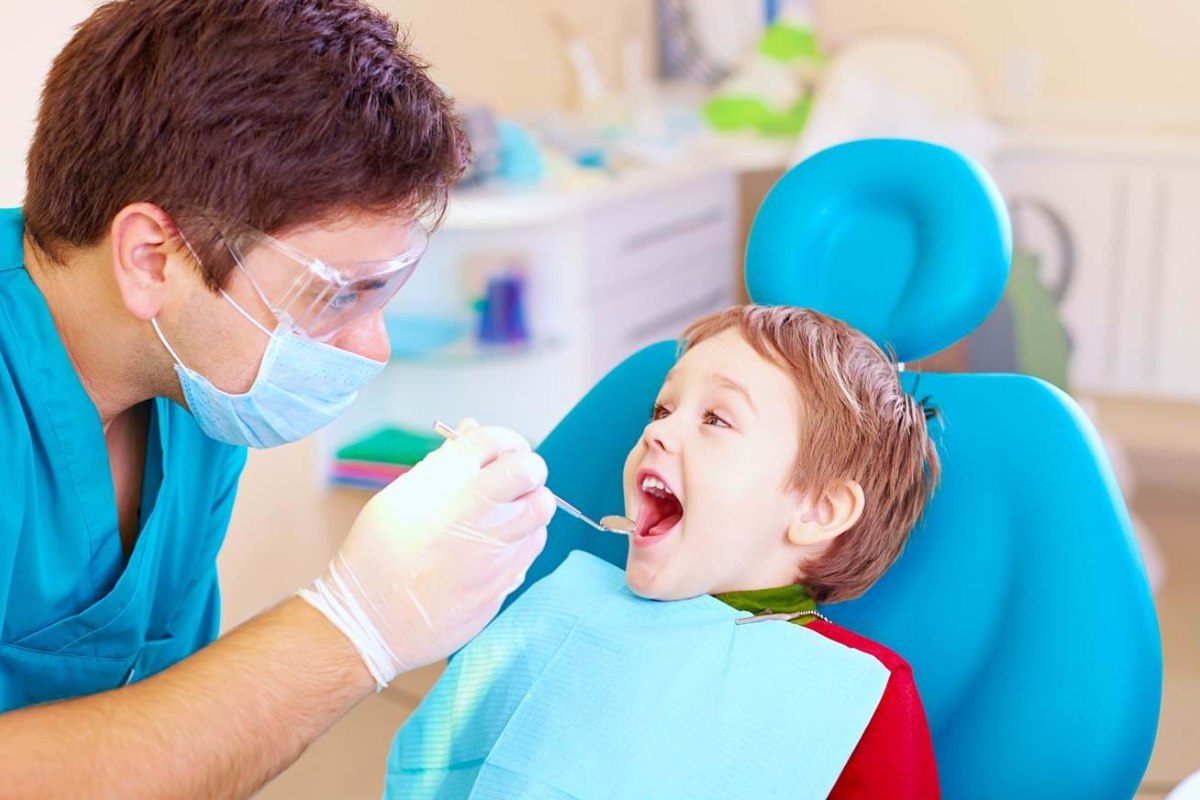
The first words a child speaks are important, and parents pay much attention to them, but not many people know how big the influence of oral health on speech is. The arrangement of teeth, the location of the tongue, and even the shape of the jaw are important in the pronunciation and development of language.
For families who prefer to visit pediatric dentist Richmond, practices like Glow Pediatric Dental, early dental visits are not just about cavities, but also, they are about setting the stage for confident communication. Preventing speech-related problems is the specialty of their team so that they can be caught before they are larger problems.
How Teeth Shape Speech Sounds
Teeth act as anchors for forming specific sounds.
The lack or poor alignment of teeth would result in:
- Lisps: Front teeth gaps may be a reason for “th” sounds instead of clear “s” or “z” pronunciations.
- Frustration: Children are likely to evade words that reveal difficult consonants, which decelerates word development.
- Compensatory habits: Lips biting or tongue thrust may occur when the teeth are not being used to direct correct positioning.
The most frequent difficulties may apply to sounds that require the use of top teeth on your lower lip, such as F (can be a top tooth phenomenon because the upper teeth are on top of the lower lip) and also the sounds that involve a tongue tap behind the front teeth, such as T/D.
Beyond Teeth: Hidden Players in Speech
Oral health involves more than just pearly whites:
The Tongue’s Role
- Restricted movement from tongue ties can slur sounds like “L” or “R.”
- Weak tongue muscles may struggle with chewing and swallowing, affecting speech clarity.
The Uvula’s Job
This “hanging ball” in the throat helps direct air through the mouth or nose. If it does not function properly, nasal sounds like “M” or “N” may be distorted.
Feeding Challenges and Future Speech Issues
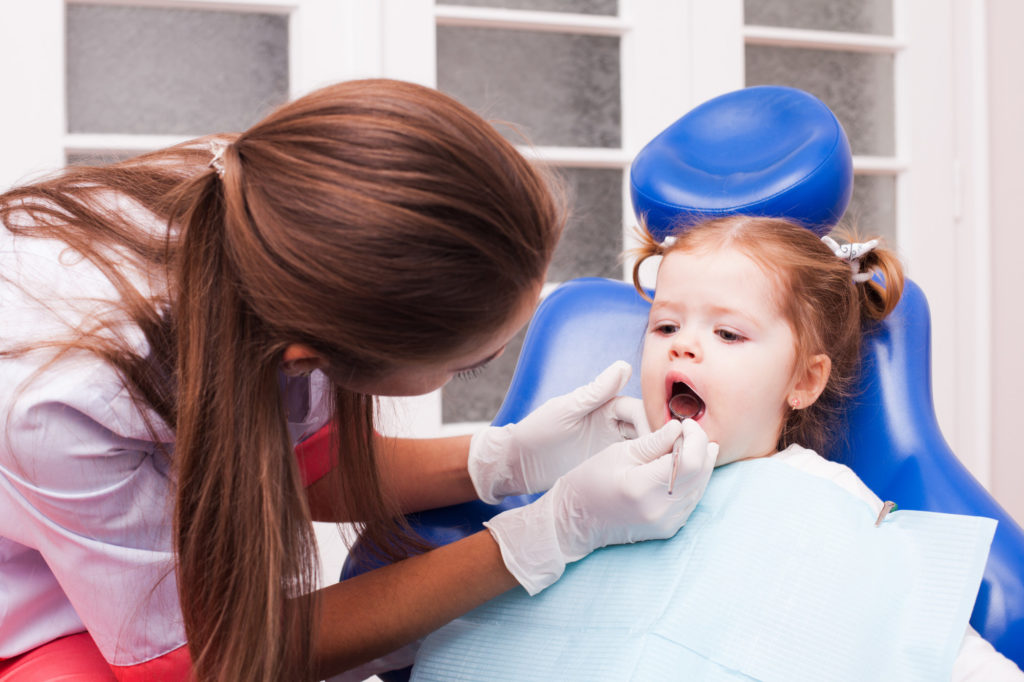
Chewing and speaking use the same muscles.
Red flags include:
- Gagging on textured foods
- Pocketing food in the cheeks
- Preferring only soft foods.
These can be solved at an early age through speech/occupational therapy.
Tips to Support Speech-Friendly Oral Health
The first dentist visit should begin at the age of 1 to ensure that teeth are developing properly and jaw growth is positive.
- Encourage water instead of sugary drinks to avoid dry mouth and strain of the voice.
- Do exercises of mouth position (lips closed, tongue on the palate) during silent tasks.
- Deal with thumb-sucking at an early stage to prevent bite misalignment.
When to Seek Help
To address the situation, proceed to one of the pediatric dentists in Richmond, specialists, such as Glow Pediatric Dental, for your child:
- Struggles with specific sounds past age-appropriate milestones
- Breathes through their mouth constantly
- Shows frustration when misunderstood.
The Big Picture
Clean’ teeth and gums are more than just a protective source against tooth decay, and healthy gums subsequently create a basis of clear communication. Through early collaboration with dental and speech professionals, parents can provide children with the means to talk, eat, and laugh without fear of ridicule.
